


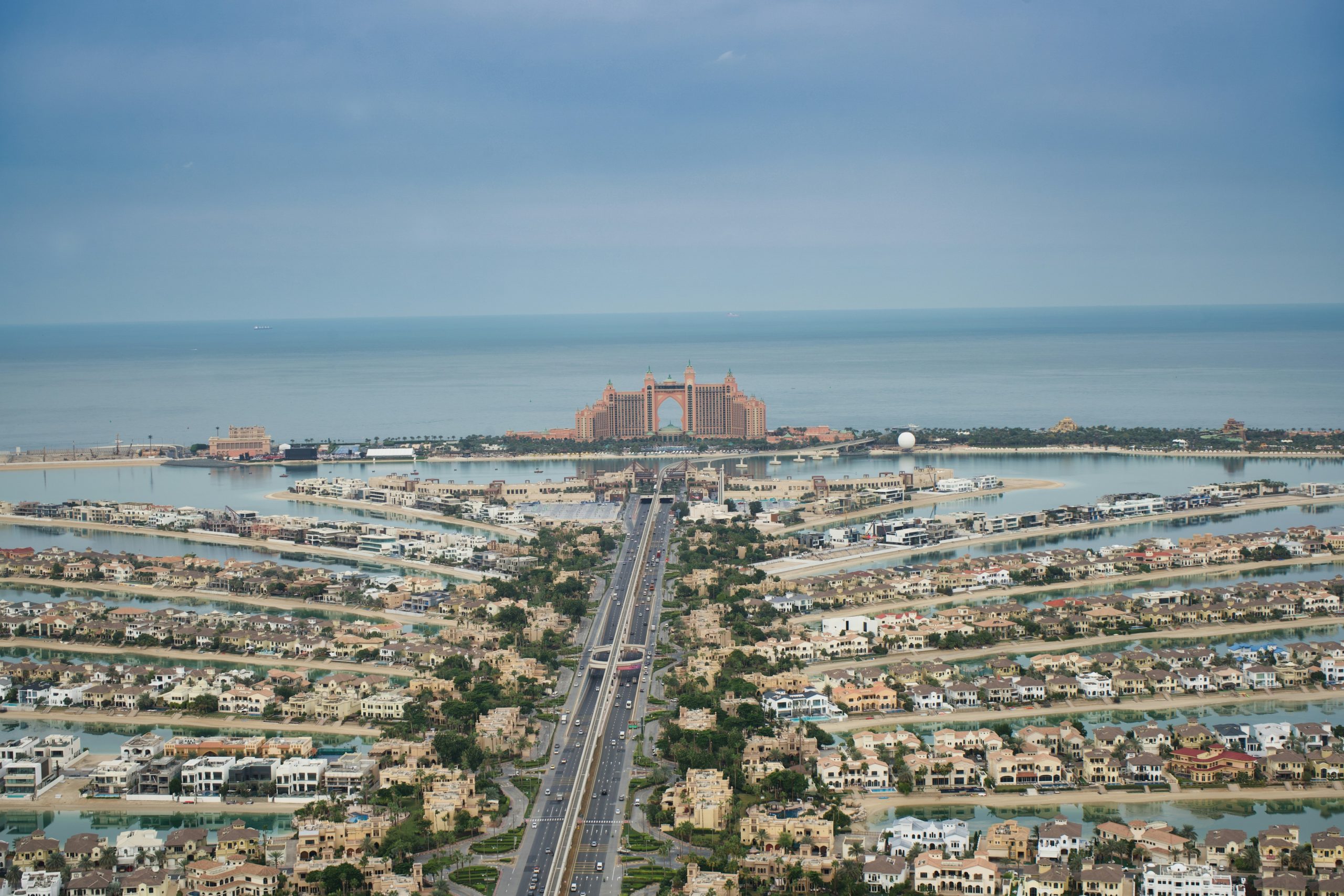
Palm Jumeirah is increasingly being compared to the Maldives by international travellers seeking beachside luxury, but at a lower overall cost. While overwater villas in the Maldives often start at around $1,500 per night, luxury hotels and resorts on Palm Jumeirah typically range between $450 and $600 per night, while offering broader access to dining, entertainment and city attractions.
Cost comparisons highlight a clear difference. For travellers flying from the United States, a Palm Jumeirah holiday can reduce total travel expenses by around 30.6 per cent. Shorter flight times, direct air connections and lower accommodation costs contribute to these savings, while still delivering a high-end experience.
The Maldives continues to attract visitors with its image of remote seclusion, but practical limitations affect the experience. Resort stays often require additional transfers by speedboat or seaplane, adding several hundred dollars to the trip. Travel times from major US cities can reach 18 to 22 hours, with no direct flights available. The flat coral geography offers limited visual contrast, and activities are largely confined to snorkelling, boat trips and spa visits.
Environmental concerns also shape traveller choices. Scientific projections suggest that a significant number of Maldives islands may face long-term challenges due to rising sea levels, adding uncertainty for future travel planning.
Palm Jumeirah offers a different approach to luxury. The man-made island spans 5.7 square kilometres and features a distinctive palm-shaped design visible from space. Landmarks such as Atlantis The Royal add architectural scale, with features including large-scale fountain displays and elevated observation areas. Venues like Cloud 22 provide skyline views that combine beach and city settings in a single location.
The destination has also gained attention for its appeal to high-profile visitors. Luxury hotels and beach clubs balance privacy with accessibility, allowing guests to enjoy premium services without isolation. Daily access to well-known venues often costs less than organised excursions at remote island resorts.
Palm Jumeirah also provides a wider range of activities beyond the beach. Attractions such as Aquaventure Waterpark, observation decks and nearby city landmarks are within short travel distances. The Burj Khalifa, Dubai Mall and historic districts can be reached in under 30 minutes, expanding the scope of a beach holiday into a broader cultural and leisure experience.
Dining options further set the island apart. Dozens of restaurants offer cuisines from across Asia, Europe and the Middle East, all within close proximity. Beach clubs line much of the coastline, offering day passes at varying price points and catering to different styles of travel.
Practical advantages support Palm Jumeirah’s growing appeal. Dubai International Airport offers direct flights to multiple US cities, reducing journey times by several hours. Visa-on-arrival access for US citizens simplifies entry, while local transport links such as the Palm Monorail connect key areas of the island at low cost.
Tourism figures reflect this momentum. Palm Jumeirah continues to record rising visitor numbers, supported by major seasonal events such as the Dubai Food Festival, which brings added value for travellers visiting during the winter months.
Palm Jumeirah positions itself as a beach destination that combines luxury with convenience. By offering architectural landmarks, dining variety and cultural access alongside premium beachfront living, it presents an alternative to remote island resorts, delivering high-end experiences without the cost and isolation often associated with traditional luxury escapes.
