


By Ahmed Al Khaja, CEO, Dubai Festivals and Retail Establishment (DFRE)
As the 31st edition of Dubai Shopping Festival comes to a close, it offers more than strong footfall and sales figures. It provides a clear example of how modern cities can design festivals that drive economic value, support culture, and remain resilient in how they operate, while staying relevant to everyday life.
Citywide festivals no longer centre on a single venue or headline attraction. They now function as broad platforms that connect retail, tourism, culture, public space and community life. Dubai Shopping Festival has evolved alongside the city itself, reflecting Dubai’s long-term vision and its ability to adapt.
From retail campaign to citywide platform
When Dubai Shopping Festival began more than 30 years ago, it launched as a retail-led initiative. Its goal was clear: boost trade, attract visitors and create activity during the winter season. That focus remains important. Retail performance still sits at the core of DSF’s impact.
What has changed is its reach and purpose.
Over time, DSF has grown into a citywide platform that goes beyond transactions. It activates public spaces, supports entrepreneurs, integrates culture and entertainment, and invites residents and visitors to experience the city in shared and open ways.
This shift reflects a simple insight. Festivals work best when they fit into daily life rather than disrupt it. DSF no longer asks people to step away from their routines. Instead, it meets them where they already spend time, across malls, streets, waterfronts and neighbourhoods.
Why a citywide model works
One of the clearest lessons from DSF is the value of decentralisation. By spreading activity across the city, the festival avoids pressure on single locations while increasing access.
This approach supports scale without congestion. It also encourages repeat visits, as people engage with the festival across different days and settings rather than through one major moment.
It also widens participation. Free events, open public experiences and local activations reduce barriers linked to cost, travel or exclusivity.
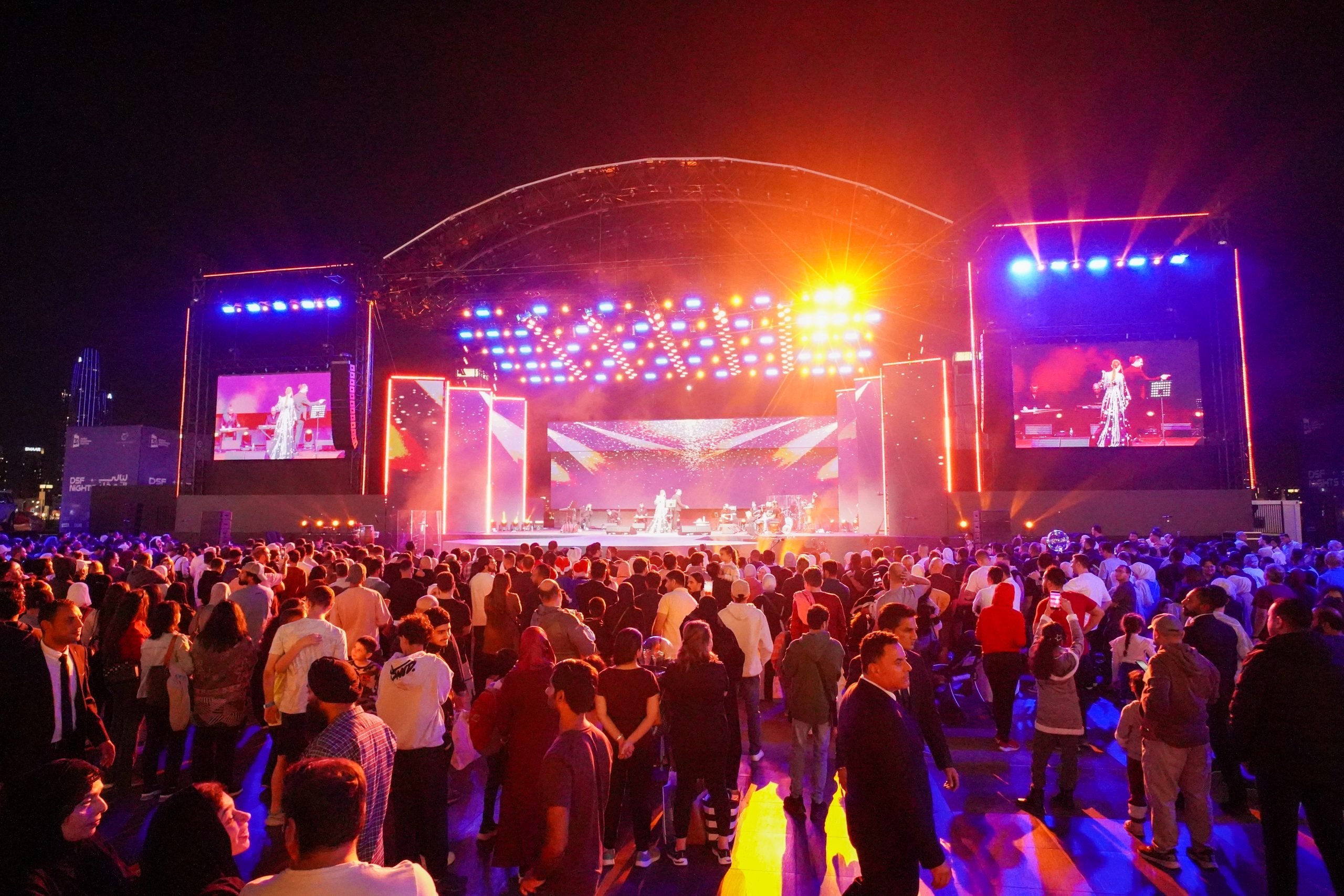
In practice, this means different audiences can experience DSF in different ways. A family may attend a mall event. A couple may visit a waterfront show. A tourist may watch a drone display. A car enthusiast may engage with Auto Season. All of these sit within one connected festival framework.
Culture and commerce support each other
There is often an assumption that festivals must choose between cultural value and commercial success. DSF shows that the two reinforce each other.
Retail benefits from energy and atmosphere. Culture becomes more accessible when it moves beyond formal venues. Entertainment gains meaning when it forms part of city life.
By combining concerts, markets, automotive culture, light installations and outdoor leisure with retail, DSF created layered experiences. Retailers gained footfall and longer visits. Brands engaged audiences in more personal ways. Visitors experienced the city as active and welcoming.
This balance reflects how people now choose experiences. They look for moments that feel worthwhile and shared, not just offers or spectacle.
Built through experience and partnership
Dubai’s ability to deliver large-scale festivals developed over time. DSF helped build the systems and partnerships that later supported global events such as Expo 2020 Dubai and COP28 UAE.
These milestones reinforced the need for collaboration, long-term planning and consistent delivery at scale. DSF continues to benefit from this foundation, acting both as a testing ground and a showcase.
For other cities, the lesson is not to copy DSF’s format. It is to adopt its approach. Build platforms rather than one-off events. Invest in partnerships. Focus on lasting value rather than short-term results.
Technology with purpose
Technology now plays a key role in city festivals, but its use must be clear. At DSF, technology supported storytelling, access and safety rather than acting as a display in itself.
Drone shows turned the skyline into a shared visual experience. Light installations highlighted natural settings. Data tools helped shape retail participation. Behind the scenes, logistics, safety systems and coordination allowed the festival to run smoothly across many sites for several weeks.
The future of citywide festivals will depend as much on these unseen systems as on visible attractions.
Keeping a long-running festival relevant
A festival with a long history must continue to change. Consumer habits evolve. Cities expand. Retail shifts.
DSF responds by listening. It keeps its core values of access, opportunity and celebration, while refreshing formats, locations and partnerships. Some years introduce new pillars such as Auto Season. Other years focus on reworking existing ideas or testing new tools.
Not every change must last. Festivals benefit from trial, review and learning.
A shared moment in city life
One of the strongest signs of DSF’s impact appears on the ground. Families, residents and visitors share the same spaces and experiences. These moments carry social value beyond data points.
In a time when experiences can feel fragmented, festivals that bring people together across backgrounds play an important role in city life.
Looking ahead
As Dubai Shopping Festival closes its 31st edition, it remains an evolving platform rather than a finished model. The future of citywide festivals will require flexibility, inclusion and ambition.
The lesson from Dubai is clear. When festivals form part of daily city life rather than sitting apart from it, they can deliver lasting economic, cultural and social value.
That principle defines the future of Dubai Shopping Festival and citywide festivals worldwide.
Dubai Shopping Festival 2025/26 concluded on 11 January 2026.
